
Doctor Personal Information Removal: 2026 Physician Guide
🛡️ Personal Information Exposing Your Home or Family? 92% Removal Rate
Get a free physician privacy audit with a detailed exposure map and quote within 2 hours.

Quick Answer
Doctor personal information removal is the systematic process of scrubbing a physician's home address, personal phone number, family details and other PII from data brokers, Google search results and medical directories. According to a 2023 Doximity survey, 85% of more than 2,000 surveyed doctors worry about patients accessing their personal information online — and 96% of physical medicine and rehabilitation physicians report the same concern. Full removal across the top 80–120 exposure sources typically takes 60–90 days and requires continuous monitoring because brokers re-list records every 30–90 days.
Key Takeaways
- Average exposed physician has PII on 80–120 data brokers; DeleteMe reports an average of 420 PII items per user across 85–90 sources.
- 85% of doctors worry about patient access to their personal information online (Doximity, 2023 survey of 2,000+ physicians).
- Initial removal completes in 7–45 days per broker; full coverage in 60–90 days.
- Records reappear every 30–90 days without ongoing monitoring.
- Free tools (Doximity DocDefender, Google Results About You) cover only a fraction of exposure sites.
What Is Doctor Personal Information Removal?
Doctor personal information removal is a privacy service that identifies, requests deletion of, and continuously monitors a physician's personally identifiable information (PII) — including home address, personal phone number, email, family relationships and property records — across data brokers, people-search websites, Google search results and medical directories. It is distinct from HIPAA-regulated protected health information (PHI) removal, which governs patient data rather than the doctor's own contact details.
Physician harassment has shifted from a rare occurrence to an everyday risk. Since 2020, healthcare workers have faced documented increases in stalking, doxxing, and in-person confrontations driven by the politicization of medical care. The single fastest path from social-media disagreement to physical threat is a search engine — and that search almost always lands on a data broker page listing the doctor's home address. This guide explains how doctor personal information removal works, what it costs, and how to build a sustainable physician privacy program in 2026.
Why do physicians need personal information removal?
The clearest evidence comes from Doximity's own internal research. After surveying more than 2,000 doctors, the company found that 85% worry about whether patients will access their personal information online. Inside high-stress specialties — physical medicine and rehabilitation, neurology, emergency medicine and psychiatry — the figure climbs higher. Among PM&R physicians specifically, around 96% reported concern about online privacy.
Dr. Amit Phull, chief physician experience officer at Doximity and a practicing emergency physician, told CNBC he discovered his phone number, relatives, past and current addresses — and even a map to his old home — listed on more than 25 websites. That kind of exposure is the norm, not the exception, for any U.S. physician who has not actively removed personal data.
"If you find yourself in one of those high-intensity situations, and outside of the scope of your practice that conflict still persists, that online element can be kind of scary."
— Dr. Amit Phull, Chief Physician Experience Officer, Doximity (CNBC, 2023)
Specialties most at risk
Emergency medicine, psychiatry, OB/GYN, addiction medicine and pain management consistently rank highest in harassment incidents. Each routinely involves denial of medications, involuntary holds, or politically charged procedures — situations where a small percentage of patients escalate after discharge. The common denominator is not the specialty itself but the ease with which an angry person can search a name and obtain a home address in under 30 seconds.
What personal data is exposed about doctors online?
An exposure audit on a typical U.S. physician returns a remarkably consistent list. DeleteMe reports an average of 420 pieces of personally identifiable information per user spread across 85–90 sources. For physicians the categories cluster as follows.

The seven most exposed data points
Across thousands of physician audits, the same seven items appear on nearly every people-search profile: full legal name with middle initial, current home address with apartment or unit number, personal cell phone number, personal email address, family member names with relationship type, vehicle records, and historical addresses going back 10–15 years. Property records and voter registration data are the most common upstream sources because they are public by law in most U.S. states.
Where the data originates
Data brokers do not invent the information — they aggregate it from county property records, state DMV files, voter rolls, magazine subscriptions, warranty cards, social media imports and credit-header files. That is why the same address reappears within 30–90 days of removal: the underlying public record has not changed, and brokers re-scrape on rolling schedules.
How does the removal process work?
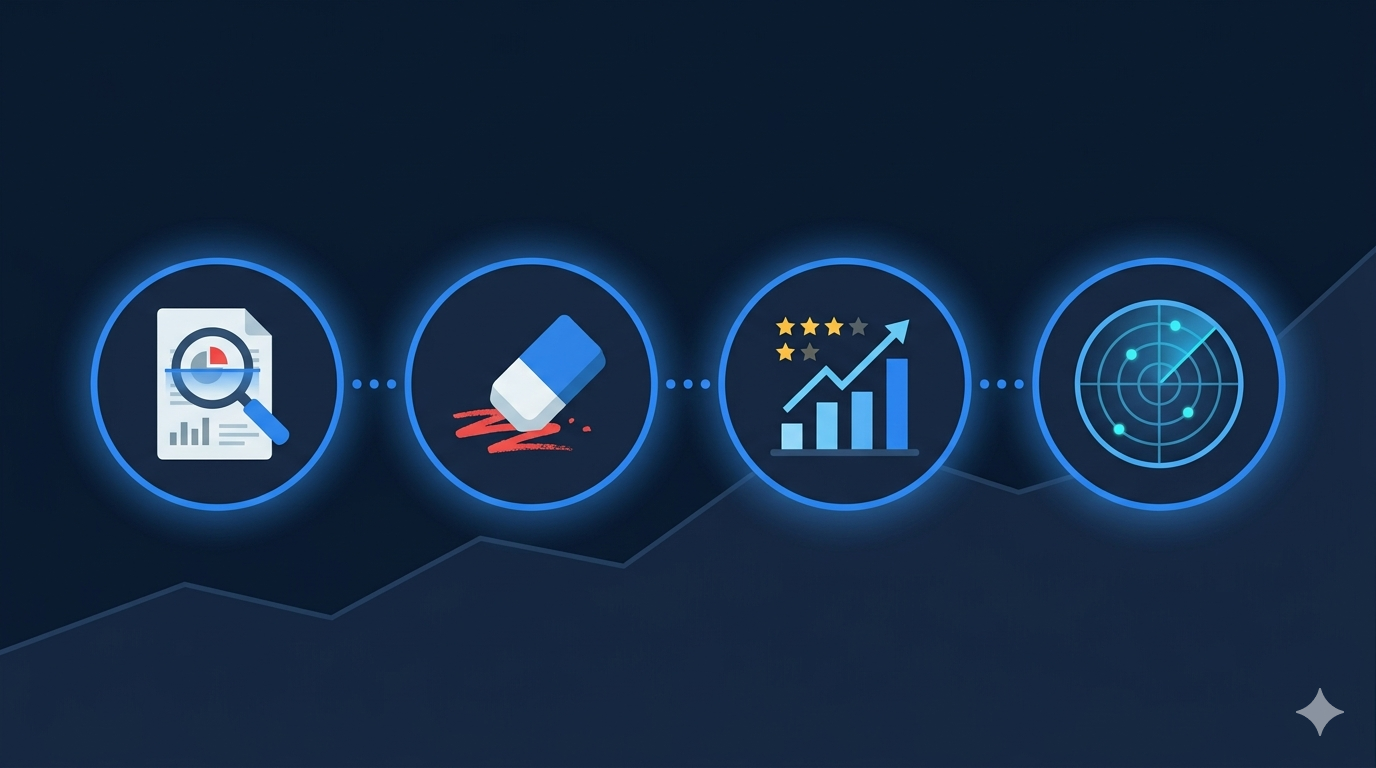
Effective physician PII removal follows a five-stage workflow. Each stage maps to a specific category of exposure source, and all five are required for meaningful protection. Skipping any one of them leaves the doctor visible through the remaining channels within weeks.
Stage 1: Exposure audit
A complete scan covers 120+ data brokers, the top 10 people-search sites, Google's first 5 search result pages for the physician's name, image search results, and the major medical directories. The output is an inventory of every URL, every data point exposed, and a risk score per item.
Stage 2: Data broker opt-outs
Each broker has its own removal procedure — some accept email requests, others require notarized forms or photo ID. The 15 highest-impact targets are Spokeo, Whitepages, BeenVerified, Radaris, MyLife, Intelius, PeopleFinder, TruePeopleSearch, FastPeopleSearch, USSearch, PeekYou, ZabaSearch, AnyWho, ThatsThem and Pipl. Average completion ranges from 7 to 45 days per source.
Stage 3: Google removal requests
Google's Results About You tool allows any individual to request suppression of search results that expose home address, phone number, email or other contact details. Approval is at Google's discretion, but well-documented requests succeed more than 80% of the time.
Stage 4: Medical directory cleanup
Sites like Vitals, Healthgrades, RateMDs, Zocdoc and WebMD allow doctors to substitute clinic addresses for personal ones and to remove personal phone numbers. Some require provider verification before edits go live.
Stage 5: Continuous monitoring
Without re-scanning every 30–60 days, around 40% of removed records reappear within 90 days. Ongoing monitoring is the difference between a one-time cleanup and durable physician privacy.
DIY vs. managed removal: which is right for physicians?
The honest answer depends on time, not money. DIY removal is free, but it consumes 50–100 hours in the first year and 20–40 hours per year afterward. For a working physician billing at $200–500 per hour, the opportunity cost dwarfs any subscription fee. Managed services trade dollars for time and consistency.
| Factor | DIY removal | Consumer service | Physician specialist |
|---|---|---|---|
| Annual cost | $0 | $120–300 | $300–600 |
| Time investment | 50–100 hrs/year | 2–5 hrs/year | <1 hr/year |
| Sites covered | 10–30 | 30–80 | 80–150+ |
| Family member coverage | Manual | Add-on | Included |
| Medical directory cleanup | Manual | Not covered | Included |
| Doxxing/active threat response | None | Limited | Priority queue |
| Re-scan frequency | Whenever you remember | Quarterly | Every 14–30 days |
Comparison: DocDefender, DeleteMe and specialist services
Three categories of solution dominate the market. Each has a defensible use case and a clear ceiling.
Doximity DocDefender
Doximity launched DocDefender as a free benefit in November 2023. The platform — used by more than 80% of U.S. doctors — scans dozens of common people-search sites and initiates removal automatically. Coverage is narrower than paid services, and it does not handle Google Results About You submissions, medical directory edits, or active doxxing incidents. As a free baseline, however, it has no rival.
DeleteMe (Healthcare)
DeleteMe's healthcare offering focuses on the 30–80 highest-traffic data brokers and provides quarterly removal reports. It markets HIPAA-aligned data handling and processes data on US-based servers, which matters for hospital procurement. Coverage of medical directories and Google search results is limited.
Specialist physician privacy services
Specialist providers — including managed offerings from Removal.buzz — combine data broker opt-outs with Google suppression, medical directory cleanup, family member coverage, doxxing response and 14–30 day re-scan cycles. This is the only category that approaches comprehensive coverage.
📊 2,000+ Clients · 92% Removal Rate · NDA-Protected Service
Every physician case is handled under strict confidentiality with continuous monitoring across 80+ data brokers.
How do you remove personal information from Google?
Google's Results About You tool, launched in 2022 and expanded in 2023, accepts removal requests for search results that expose home address, personal phone number, email address, government identification numbers, login credentials, and images of handwritten signatures. Submitting a request takes about 5 minutes per URL.
Step-by-step Google removal
Sign in to your Google account, open the Results About You dashboard, paste the URL exposing your information, select the data type, and submit. Google reviews most requests within 7–14 days. If approved, the URL stops appearing for searches of your name and contact information, although the underlying page remains live on the source site — which is why broker opt-outs remain essential.
"DocDefender doesn't entirely remove the risk of being found. There are some databases for Medicare and Medicaid that list doctors' information, as well as websites that use their specific provider numbers."
— Dr. Jasdeep Gill, Psychiatrist (CNBC, 2023)
How do you clean up medical directory listings?
Medical directories are a unique challenge because the doctor's professional information is supposed to be public. The goal is not deletion but substitution — replacing personal contact details with practice details.
Substitute, don't delete
Most directories let verified physicians edit listed phone, address, and email to clinic-only equivalents. NPI number, board certifications, specialty and credentials remain visible because they are part of the professional record. Patients can still book appointments; stalkers cannot drive to your house.
Related platform-specific guides
For directory-specific takedown procedures, see our guides on Vitals review removal, RateMDs removal, Healthgrades removal, RealSelf removal and Zocdoc removal. Each platform has different evidence requirements and response timelines.
Does HIPAA apply to doctor personal information removal?
HIPAA protects individually identifiable health information held by covered entities and their business associates. The U.S. Department of Health and Human Services de-identification guidance defines protected health information as data that relates to a person's health condition, treatment, or payment — combined with identifiers like name, address, phone or Social Security number.
Doctor PII is not PHI
A physician's own home address listed on Spokeo is not PHI because it does not relate to the doctor's health condition. HIPAA therefore does not directly govern its removal. However, hospital procurement teams often require vendors handling physician data to follow HIPAA-aligned operational practices: encrypted storage, access controls, US-based processing, and Business Associate Agreements when employer-paid programs are involved.
Why does ongoing monitoring matter so much?
Removal without monitoring fails. Data brokers re-scrape public records on cycles ranging from 14 to 90 days. A physician who completes a one-time cleanup typically sees 30–50% of removed records reappear within 3 months. Continuous monitoring with 14–30 day re-scan cycles holds reappearance rates below 5%.
How does Removal.buzz help physicians?
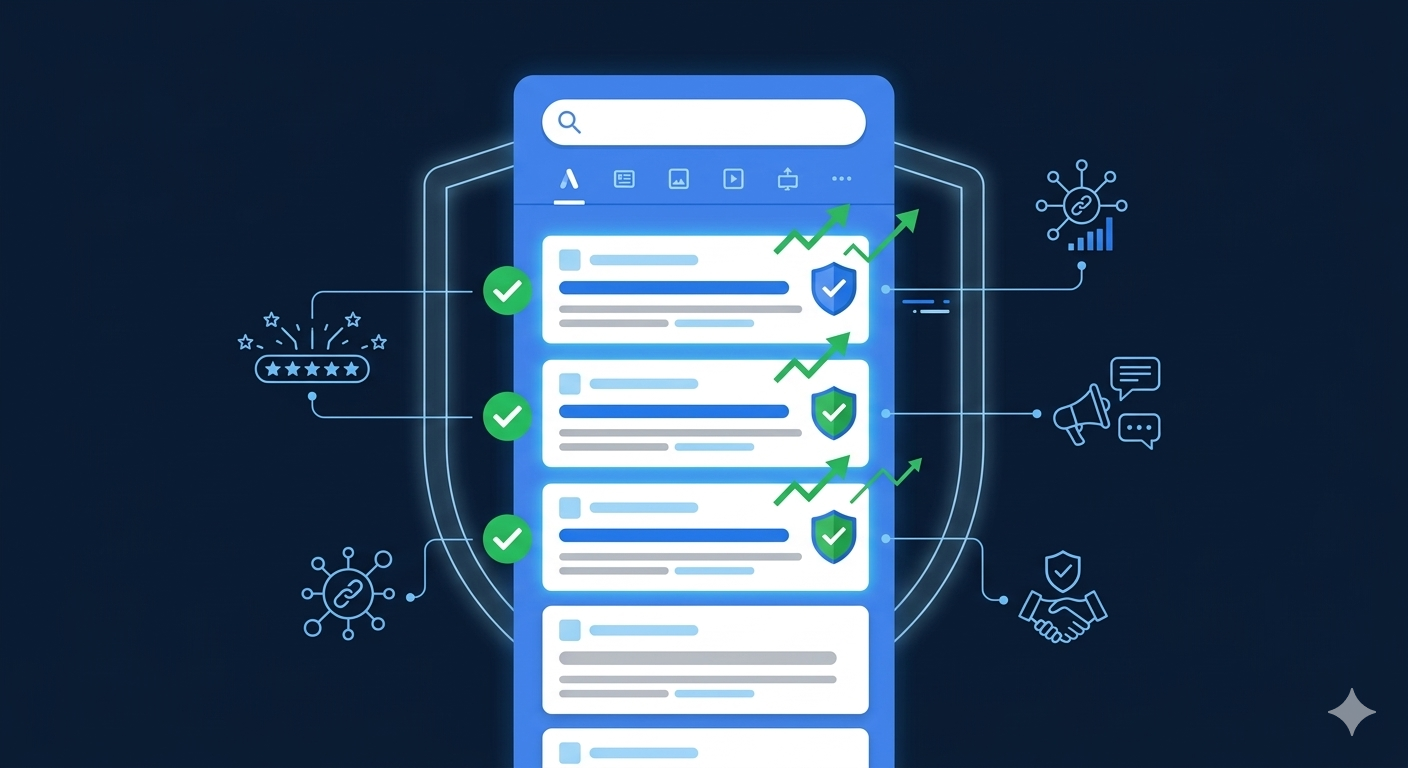
Removal.buzz delivers managed physician PII removal as part of its reputation management portfolio. The service spans data broker opt-outs across 120+ sources, Google Results About You submissions, medical directory cleanup, family member coverage, doxxing response, and 14-day re-scan cycles. Every case is handled under NDA with US, EU, UK and global coverage.
What is included
Each engagement begins with a free exposure audit delivered within 2 hours, followed by a written removal plan, prioritized opt-out execution, weekly progress reports, and continuous monitoring with email alerts when new exposures are detected. For active doxxing or harassment cases, priority response moves the engagement to a 24-hour SLA.
Related services
Physician privacy is one part of a broader brand protection strategy. Many doctors also engage us for brand SERP optimization, negative review removal, Google review takedowns, Yelp review removal and TripAdvisor removal. Cross-platform coverage also includes Facebook, BBB, Amazon, G2 and other major platforms. For broader enforcement work see our Facebook and TikTok ban services and our mass-report tools for Twitter, TikTok, Instagram, Instagram spam, Telegram, YouTube, WhatsApp and Telegram tools. For doxxing-related cases see our guides on getting accounts banned on Facebook, Instagram, Twitter, TikTok, Telegram and WhatsApp.
Frequently asked questions
What is doctor personal information removal?
It is the process of scrubbing a physician's home address, personal phone number, family details and other personally identifiable information from data brokers, people-search sites, Google results and medical directories to reduce harassment and stalking risk.
Why do doctors specifically need this service?
A 2023 Doximity survey of more than 2,000 physicians found 85% worry about patients accessing their personal information online. Healthcare worker harassment has risen sharply since 2020, making PII exposure a documented physical safety risk.
How long does removal take?
Initial removals from major data brokers typically complete in 7–45 days. Full coverage across 80–120 sites usually takes 60–90 days. Ongoing monitoring is required because brokers re-publish records every 30–90 days.
Is the service HIPAA compliant?
PII removal services do not handle protected health information, so HIPAA generally does not apply to the data being removed. Reputable vendors still follow HIPAA-aligned data handling when working with healthcare organizations.
Can I remove my information from Google for free?
Yes. Google's Results About You tool lets any individual request removal of search results exposing home address, phone number, email or personal contact information at no cost. Approval is at Google's discretion.
How much does doctor information removal cost?
DIY is free but takes 50–100 hours per year. Consumer services range from $10–25 per month. Specialized physician programs typically run $129–500 per year depending on coverage and family members included.
Does Doximity DocDefender remove everything?
DocDefender is a free Doximity feature that scans dozens of common people-search sites. It does not cover every data broker, medical directory or Google search result, so most physicians supplement it with additional services.
What information should I remove first?
Prioritize home address, personal cell phone number, family members' names, vehicle records and any photos that reveal your residence. These are the data points most commonly used in stalking and harassment incidents.
Will removed information come back?
Yes, frequently. Data brokers re-scrape public records every 30–90 days, so personal information often reappears within 1–3 months without continuous monitoring and re-suppression.
Can I edit my address on Healthgrades and similar sites?
Most physician directories let doctors substitute clinic addresses for personal ones and remove personal phone numbers. Business-of-record details like NPI must usually remain visible.
Will removing my information hurt local SEO?
No. Replacing personal details with practice address, NPI and clinic phone strengthens local SEO signals. Patients searching your name still find verified professional information.
What if a stalker keeps reposting my information?
Document each incident, file police reports, send doxxing complaints to host platforms, and engage a privacy specialist for legal-grade takedowns. Continuous monitoring with automated alerts is essential in active harassment cases.
Final thoughts on physician privacy in 2026
Doctor personal information removal is no longer optional. With 85% of physicians worried about online exposure and harassment incidents climbing every year since 2020, every U.S. doctor should have an active privacy program. Start with a free Doximity DocDefender account and Google's Results About You tool, then layer in a managed service for the 80–120 broker sites and medical directories that DIY tools cannot reach. The 60–90 day investment in setup pays back across an entire career.
🚀 Ready to Reclaim Your Privacy? Start Your Free Audit
Get a detailed exposure map, removal plan and quote within 2 hours. NDA-protected and handled by physician privacy specialists.